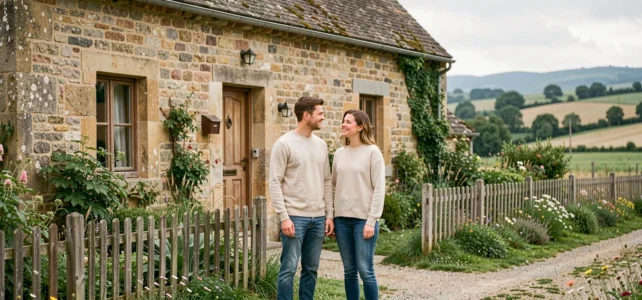
At 600 euros in rent, including charges, the variable that truly determines the quality of the outdoor space is not the raw geographical location (countryside, city, outskirts), but the legal status of the garden: private or shared. We observe that this distinction reshuffles the deck much more than the postal code.
Private garden versus shared outdoor space: the real trade-off at 600 euros
On the outskirts of a large urban area, a budget of 600 euros often leads to a shared house with access to a common outdoor area. The garden physically exists, but its use is governed by internal regulations or an informal agreement among roommates. In rural areas, this same budget allows for an entire house with a fenced garden for which the tenant has exclusive enjoyment.
Related reading : Grand Rex Plan: Guide to Accessible Locations for People with Reduced Mobility
The distinction is not trivial. A private garden opens up rights for development (vegetable garden, garden shed, composter) that the lease mentions or that the owner allows through an amendment. A shared outdoor space limits these uses, often without a written framework, which generates conflicts over maintenance and occupancy.
To effectively compare offers, we recommend filtering from the start for the mention of “exclusive enjoyment” in the property description. On platforms, the results around rental houses with gardens for 600 euros on Partimmobilier allow for cross-referencing location and the actual nature of the outdoor space offered.
Further reading : Essential Steps for Successfully Conducting a Network Security Audit in a Business
Renting a house with a garden in a small town: the most reliable compromise
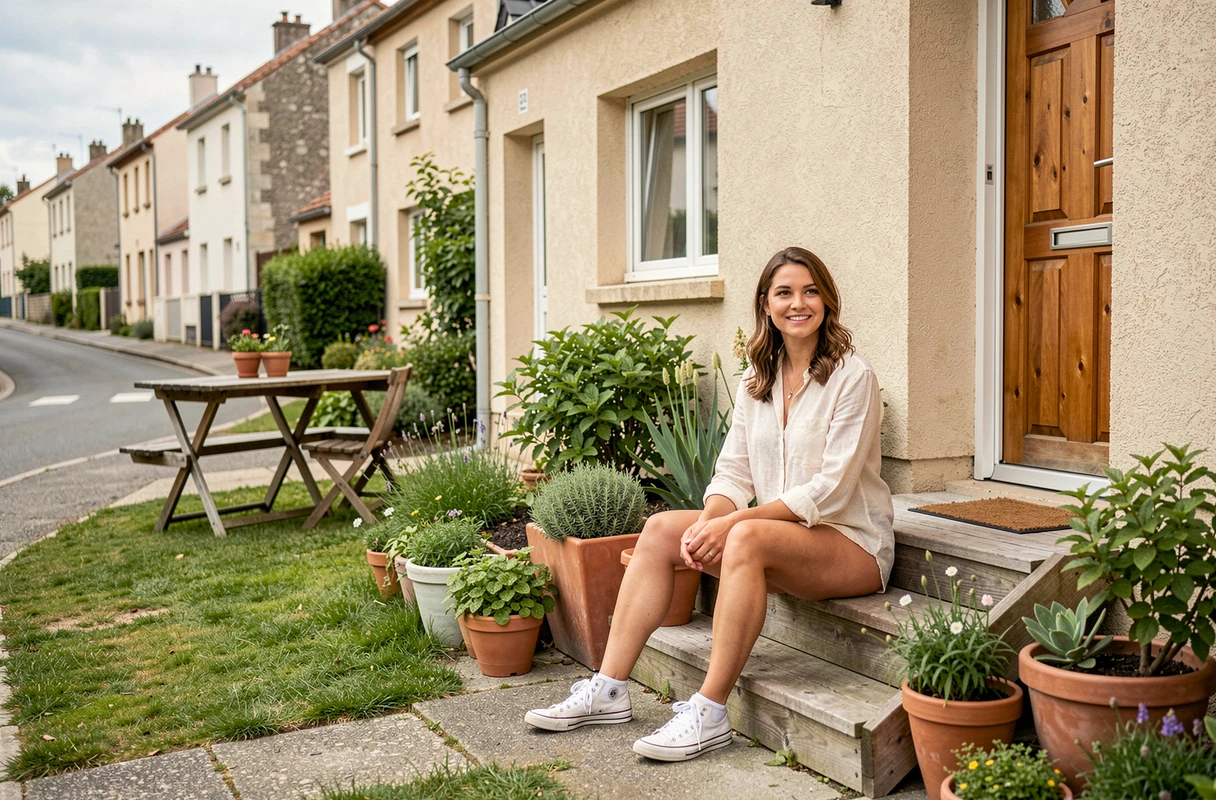
The small provincial town (between ten thousand and fifty thousand inhabitants) concentrates the best probabilities of finding a semi-detached house with three to four rooms and a usable fenced garden. The most accessible markets are located in the Hauts-de-France, Grand Est, and Normandy, where rents remain significantly below the national average.
The typical profile of the offer: a semi-detached town house, often made of brick or stone, with a small back garden of several dozen square meters, sometimes a courtyard. The rent is in the lower range of the budget, leaving room for additional charges (water, waste collection, maintenance of common street areas).
This segment has an advantage that isolated countryside does not offer: the proximity of services reduces transportation costs. A tenant in a small town can walk to shops, schools, and an intercommunal transport network, which more than compensates for the few square meters less of garden compared to a rural house.
Verification points before signing in a small town
- The lease must specify the garden area and its exclusive enjoyment, including any access through an easement
- The inventory must document existing plantings, the fence, and the rainwater drainage system of the property
- The recoverable charges related to the outdoor space (maintenance of shared hedges, snow removal of the sidewalk) must be detailed in the projected account
Renting a house in the countryside for 600 euros: space versus isolation
In rural areas, 600 euros allows access to an independent house with a garden of several hundred square meters. The gain in outdoor space is real, sometimes spectacular. However, the actual cost of rural housing exceeds the advertised rent.
The first hidden cost is transportation. Without a train station or bus stop within walking distance, two vehicles become the norm for a dual-income household. The second concern is heating: rural houses at this rent level often have a poor energy performance rating, with heating systems that rely on oil or old electric heaters.
We also observe a slower rental turnover in the countryside. Fewer available listings mean less negotiating leverage, contrary to the image of a “relaxed” rural market. Landlord owners in rural areas are often individuals who set the rent without reference to a local index, due to insufficient comparable data.
Discriminating criteria for a viable rural rental
- Check for a connection to the public sewage system or the condition of the septic tank (a recent SPANC inspection is a positive signal)
- Evaluate mobile network and fiber coverage: a house without a proper connection loses habitability for remote work
- Request the actual amount of energy bills for the last two years, not just the theoretical energy performance rating
Outskirts of urban areas: why 600 euros are no longer enough for an entire house
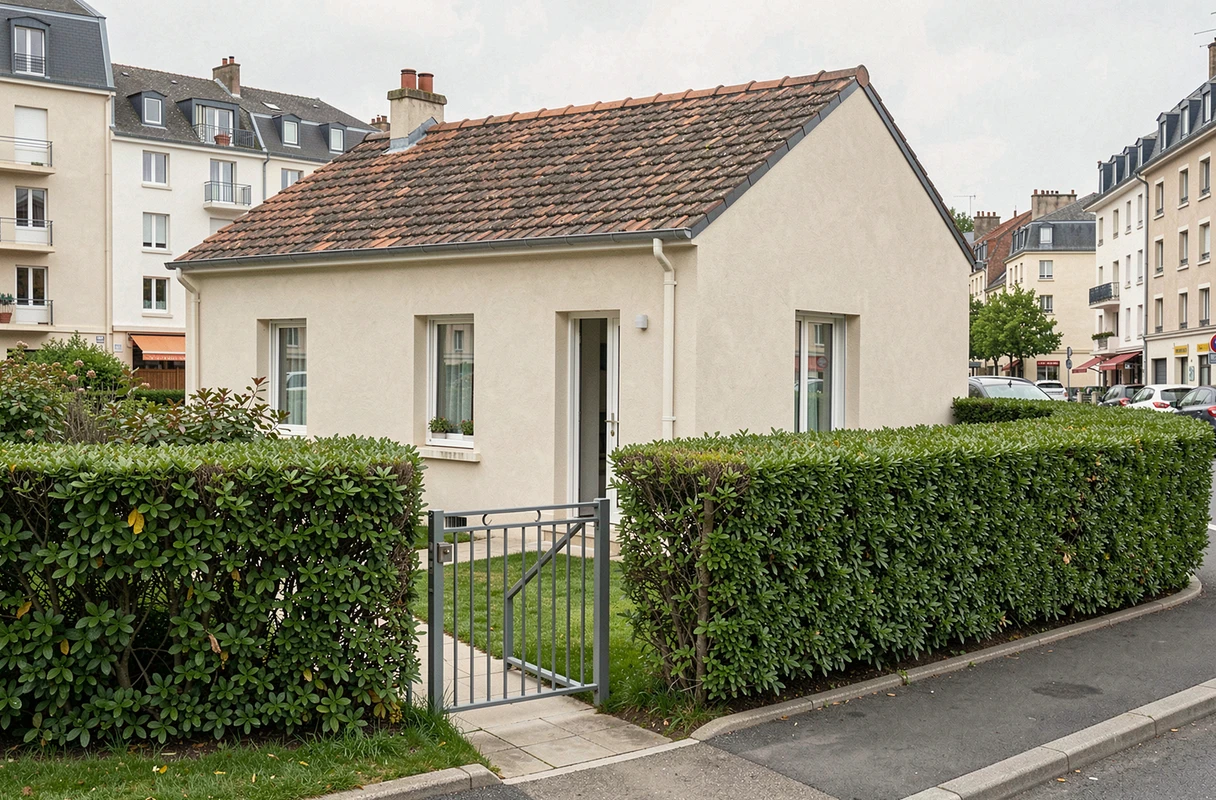
The first ring of French metropolitan areas has seen rents rise to the point where individual houses with gardens are almost inaccessible at 600 euros. At this budget, the peri-urban market offers two options: shared housing in a house with a shared outdoor space, or a T2 apartment in a residence with a terrace.
Shared housing in a peri-urban house appeals due to the setting (pavilion with garden, garage, sometimes a pool), but the garden is not private. Maintenance is rarely formalized, and the turnover of roommates creates instability in the use of the outdoor space.
The T2 apartment with a terrace or balcony on the outskirts offers a private outdoor space, but of very limited size. It is not a garden in the functional sense of the term. For a tenant looking to cultivate, set up a garden lounge, or simply let children play, this option does not meet the need.
The outskirts remain relevant for tenants whose priority is proximity to the metropolitan employment pool and who are willing to give up a private garden. For everyone else, the small provincial town offers an unmatched outdoor space/rent ratio in the current French rental market.
The final choice is therefore not merely a geographical slider. It hinges on a precise technical question: is the garden mentioned in the ad for exclusive enjoyment, and does the lease formalize it? Without this guarantee, the garden remains a commercial argument, not an enforceable rental right.