
A brachycephalic dog that develops respiratory problems at three years old, an indoor cat suffering from an intestinal blockage after swallowing a rubber band: in both cases, the veterinary bill can rise quickly, and the lack of pet health insurance can turn routine care into outright abandonment. The Saint Bernard Fund also reports an increase in abandonments directly linked to the cost of veterinary care when owners do not have coverage.
Breed Exclusions and Hereditary Diseases: The Least Visible Trap in the Contract
It is often thought that the monthly price is enough to differentiate between two pet insurance policies. The reality on the ground shows that exclusions of coverage weigh more heavily than the premium. A contract at fifteen euros per month that excludes breed-related conditions is useless for an English Bulldog, a Cavalier King Charles, or a Maine Coon.
See also : How to Choose the Best Personal Loan to Finance Your Projects
For an English Bulldog, for example, some insurers explicitly exclude brachycephalic syndrome, hemivertebrae, and fold dermatitis. Yet, these are the most common reasons for consultation for this breed. Other contracts provide for a significant premium increase rather than an exclusion, which alters the coverage/price ratio compared to a standard dog.
Before signing, check the list of exclusions in the general conditions, not in the marketing brochure. If your pet belongs to a breed predisposed to hereditary diseases, compare what each insurer calls “breed disease”: the definition varies from contract to contract, and this is where the real coverage lies.
You may also like : How to Choose the Right Size S: Essential Size Guide and Correspondences
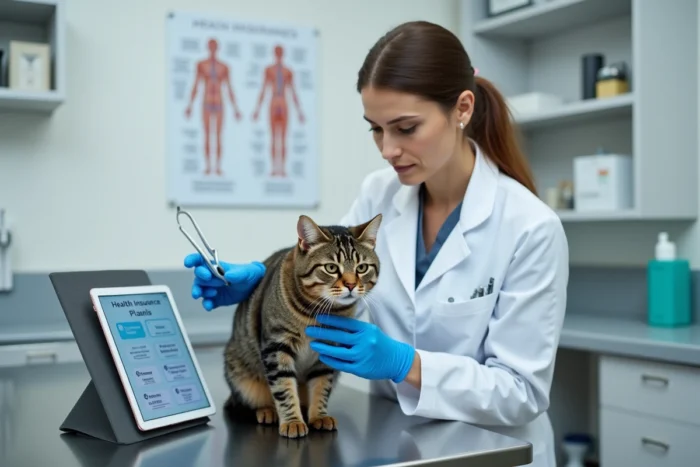
To cross-reference the plans and identify these differences in coverage, X Anima’s insurance guide details the covered items insurer by insurer, including breed-related conditions.
Age Limits for Enrollment: Enroll at the Right Time for Your Pet
A ten-year-old dog that one tries to insure after a first joint issue is the classic scenario for denial. Most insurers set an enrollment limit between two months and eight years. Fidanimo, for example, only accepts animals within this age range, including dogs, cats, and exotic pets.
Beyond that, options drastically reduce. A few rare insurers accept senior animals, but with high deductibles and low reimbursement caps. Waiting for the animal to age to enroll exposes one to either a denial or a contract that covers almost nothing.
The right reflex: enroll during the first months of the animal’s life, when no pre-existing conditions are noted in its veterinary record. Feedback varies on this point according to breeds (a six-year-old German Shepherd can still find adequate coverage, while a six-year-old Bordeaux Mastiff much less so), but the trend toward stricter age conditions is clear.
Reimbursement Rates and Annual Caps: Read the Right Numbers
Two contracts displaying an “80% reimbursement” can yield very different results in practice. The reimbursement rate means nothing without looking at three other parameters simultaneously.
- The annual reimbursement cap: this is the maximum amount that the insurer pays in a year. A cap that is too low makes the reimbursement rate theoretical, especially in cases of surgery or prolonged hospitalization.
- The deductible per visit or per year: some contracts apply a deductible to each veterinary visit, while others have a single annual deductible. The first option penalizes animals requiring regular care.
- The waiting period: the period after enrollment during which the coverage does not apply. Generally longer for illness than for accidents. If your pet falls ill during this period, nothing is covered.
It is recommended to simulate a concrete scenario before choosing: take a typical veterinary bill for your pet (specialist consultation, tests, treatment) and calculate what each plan would actually reimburse, deductibles and caps included.
Accident-Only, Mixed, or Comprehensive Plans: Tailor Coverage to Your Pet’s Profile
An indoor sedentary cat does not have the same risks as a hunting dog that runs in the woods three times a week. Choosing the right pet health insurance plan starts with assessing your companion’s real risk profile.
The accident-only plan is cheaper but does not cover any illness. It is suitable for a young, healthy animal in a tight budget context. As soon as the animal ages or shows a predisposition, this plan becomes inadequate.
The mixed plan (accident and illness) represents the most common compromise. It covers consultations, tests, and part of the treatments, with a moderate cap. The comprehensive plan adds prevention: vaccines, dental cleanings, deworming, sometimes sterilization. Its monthly cost is higher, but for a puppy or kitten whose entire care journey is still ahead, the included prevention can make the comprehensive plan more cost-effective over the first two years.
Here are the criteria to cross-reference when deciding between plans:
- The current age of the animal and its average life expectancy according to its breed
- Its lifestyle (strictly indoor, outdoor access, sports activity)
- Common pathologies identified for its breed or species
- The monthly budget you can sustainably allocate to this premium

Exotic Pets and Uncommon Animals: Offers Still Rare in the Market
Rabbits, ferrets, parrots: new pets remain poorly covered by the majority of insurers. A few players like Fidanimo accept them, but under strict age and species conditions. A ferret over five years old or a reptile will have almost no options in the current market.
For exotic pets, check the exact list of accepted species before any steps to avoid wasting time. The guarantees offered are often limited to accidents and emergency care, without a prevention component.
The pet health insurance market is gradually structuring, but the choice remains conditioned by contractual details that commercial communication does not highlight. Rereading the general conditions, simulating real reimbursement scenarios, and enrolling early remain the three concrete levers to protect your pet without unpleasant surprises at the first veterinary bill.