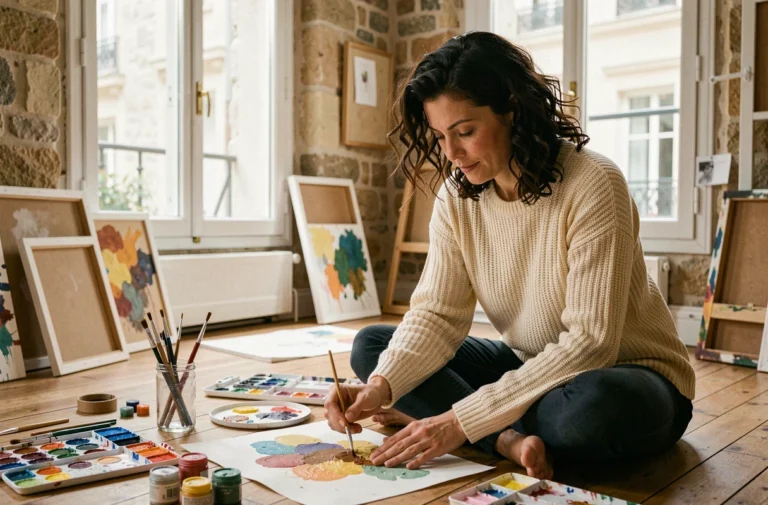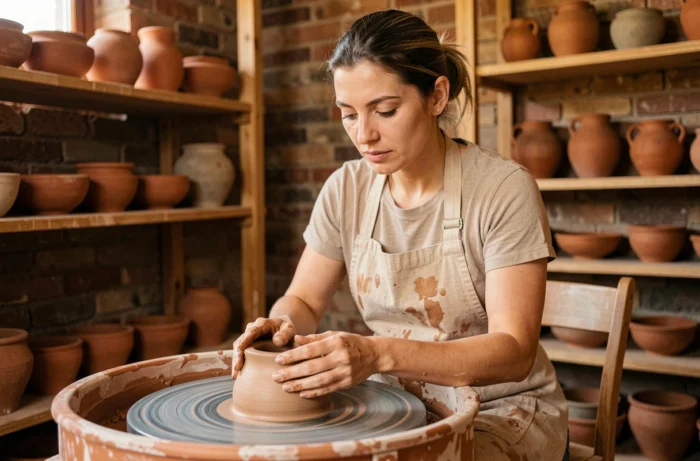
Searches related to hands-on and screen-free hobbies have exploded since the beginning of the year. The Pinterest 2026 Hobbies Trend Report documents a marked increase in analog activities, structured around nine identified trends: Kitchen Witch, Cosmic Reset, Home Café Engineering, Backyard Botanist, Weekend Equestrian, Secondhand Sidequest, Handmade Hacker, Curated Clutter, and Casual Crafter. We are seeing a clear shift in leisure budgets towards practices that produce a tangible result, far from passive scrolling.
Analog Hobbies: Why the Pinterest 2026 Report Changes the Game
The strongest signal from the report concerns the increase in searches related to dried and pressed flowers, sketchbooks, and Japanese embroidery techniques. These queries do not come from a niche audience. Half of the Generation Z members surveyed by Pinterest believe that having a hobby increases their daily happiness.
This shift towards the tangible is based on a precise mechanism: the concrete and analog result replaces passive consumption. A homemade flavored syrup, a pressed herbarium, a hand-bound notebook—all of these generate a finished object. Sydney Stanback, head of global trends and insights at Pinterest, notes that millennials are seeking hobbies that allow them to slow down and refocus.
Among the hobbies featured on Entrevue Web, several directly overlap with these trends, from amateur botanical gardening to craft-making workshops.

Alcohol-Free Outings: The New Social Format for 18-34 Year Olds
61% of 18-24 year olds in Europe have participated in an alcohol-free party or outing, according to a Savanta ComRes study for the Fruit Juice Science Centre published in 2026. Nearly 45% consumed no alcohol in the past month. These figures do not describe a passing trend but a structural change in the way people socialize.
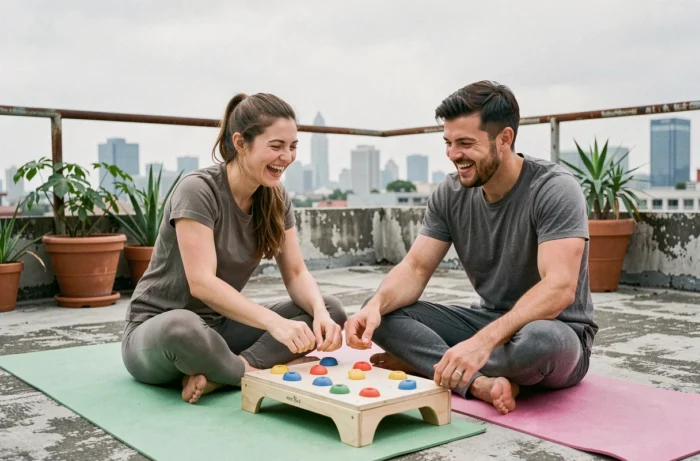
The rising formats include: specialty cafés, bars with elaborate mocktails, evening group sports sessions, cold baths, and saunas. The gradual reallocation of budgets is shifting from alcohol-fueled nights to health and balance-oriented experiences.
We recommend that event organizers systematically provide a structured alcohol-free offering, not just a simple fruit juice at the end of the menu. The audience attending these formats expects a real beverage engineering, with carefully crafted ingredient combinations.
Home Café Engineering and Kitchen Witch: Two Creative Hobby Trends to Master
Home Café Engineering transforms coffee preparation at home into a full-fledged leisure activity. It’s not just about buying an espresso machine. It involves mastering extraction, roasting in small batches, preparing your own flavored syrups, and working on latte art.
The Kitchen Witch trend takes the logic further by integrating wellness rituals into everyday cooking. Infusions made from herbs grown on your balcony, fermented preparations, recipes passed down and reinterpreted. Cooking becomes a sensory creation workshop, not a household chore.
These two practices share a common trait:
- A moderate initial investment (manual coffee grinder, herbs, fermentation jars) for a daily practice time of fifteen to thirty minutes
- A visible progression curve: each week, the results improve, maintaining motivation without requiring additional equipment
- A strong potential for social sharing, especially through visual formats on social networks, which fuels the discovery cycle documented by Pinterest
Secondhand Sidequest and Curated Clutter: Collecting and Curation Hobbies
The Secondhand Sidequest trend identified by Pinterest describes a treasure-hunting practice that has become a sport in its own right. Thrift stores, flea markets, garage sales, and second-hand selling platforms serve as playgrounds. The goal is no longer to find cheaper clothing but to embark on a quest, with rare finds and failures.
Curated Clutter extends this logic within the home. It involves intentionally accumulating found, thrifted, or salvaged items, then arranging them in a space that tells a story. It has nothing to do with disorder: curation requires an eye and a method.
In France, peer-to-peer sales and second-hand circuits directly fuel these practices. The most engaged enthusiasts keep treasure-hunting notebooks, document their finds, and exchange addresses of specialized consignment shops.
Outdoor Sensory Activities: Backyard Botanist and Weekend Equestrian
The Backyard Botanist goes beyond gardening. Pinterest documents an increase in searches for applied botany: identifying wild plants, scientific herbaria, cultivating heirloom varieties in urban micro-plots. The hobby is akin to that of an amateur naturalist.
The Weekend Equestrian targets an audience that has never ridden a horse but is interested in the equestrian world as a lifestyle: walks, animal care, rural aesthetics. Equestrian centers offering half-day discovery packages are capturing this growing demand.
- Botanical recognition workshops in urban settings are multiplying in major cities, often led by local naturalist associations
- Short introductory equestrian courses (one to two hours) attract an adult audience seeking not competition but contact with the animal and the natural environment
- Both practices share an immediate sensory dimension: touch, smell, rhythm, which explains their success among an audience saturated with screens
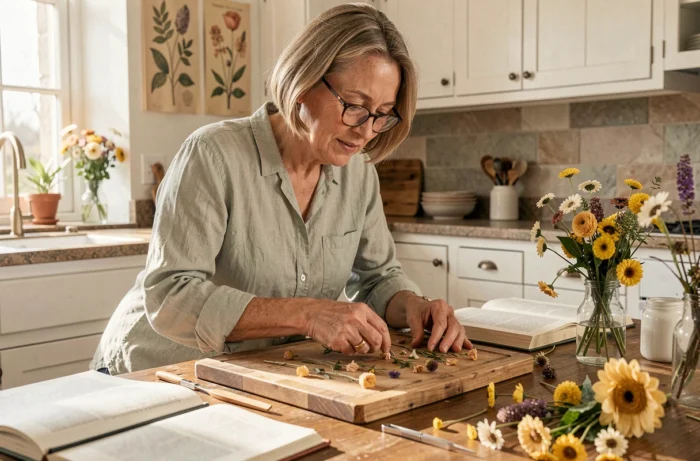
The common thread of all these trends remains the same: producing something with your hands, experiencing a physical activity, leaving with a visible result. The hobbies that are growing the most in 2026 require neither expensive subscriptions nor sophisticated equipment. They demand time, attention, and a form of personal commitment that passive digital consumption does not provide.